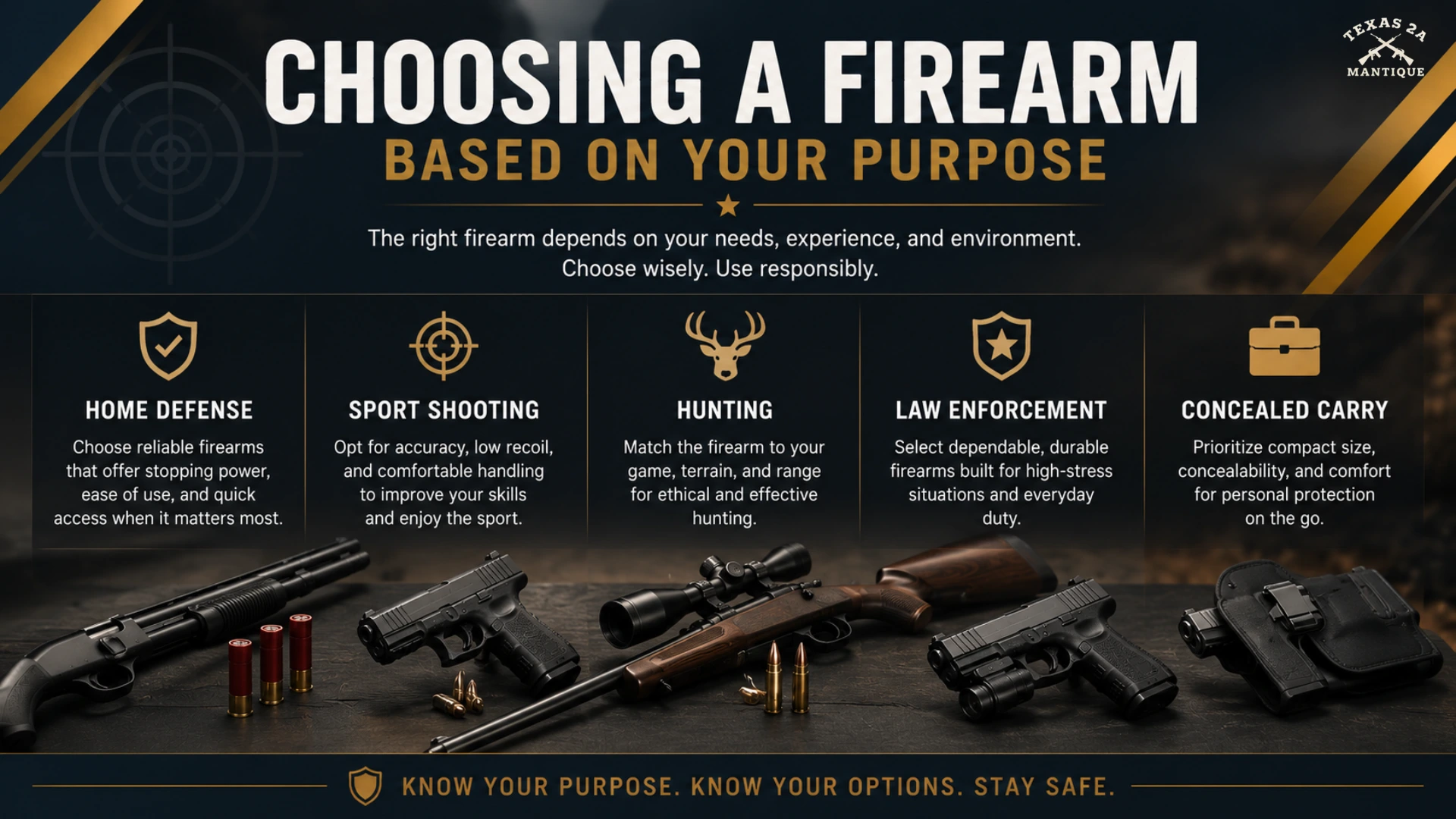
One of the biggest mistakes first-time firearm buyers make is choosing a firearm based on appearance, popularity, or someone else’s recommendation rather than their own intended use. Every firearm is designed with a specific purpose in mind, and selecting the right one begins with understanding why you want to own a firearm.
Whether your goal is protecting your home, carrying a firearm for personal defense, hunting, recreational target shooting, competitive shooting, or collecting historical firearms, each purpose requires different features, handling characteristics, and training. Taking the time to identify your primary objective will help you choose a firearm that is practical, comfortable, and suited to your long-term needs.
Why Your Purpose Should Guide Your Decision
Firearms are not one-size-fits-all tools. A firearm that performs exceptionally well in one situation may not be ideal for another. Choosing a firearm based on your intended use helps ensure better handling, improved accuracy, increased confidence, and greater safety.
When your firearm matches your purpose, you benefit from:
- Better comfort and ergonomics
- Easier operation and control
- Improved accuracy and confidence
- More effective training and skill development
- Greater long-term satisfaction with your purchase
- A safer and more responsible ownership experience
Understanding your purpose also helps narrow down your options, making the buying process far less overwhelming – especially for first-time firearm owners.
Home Defense
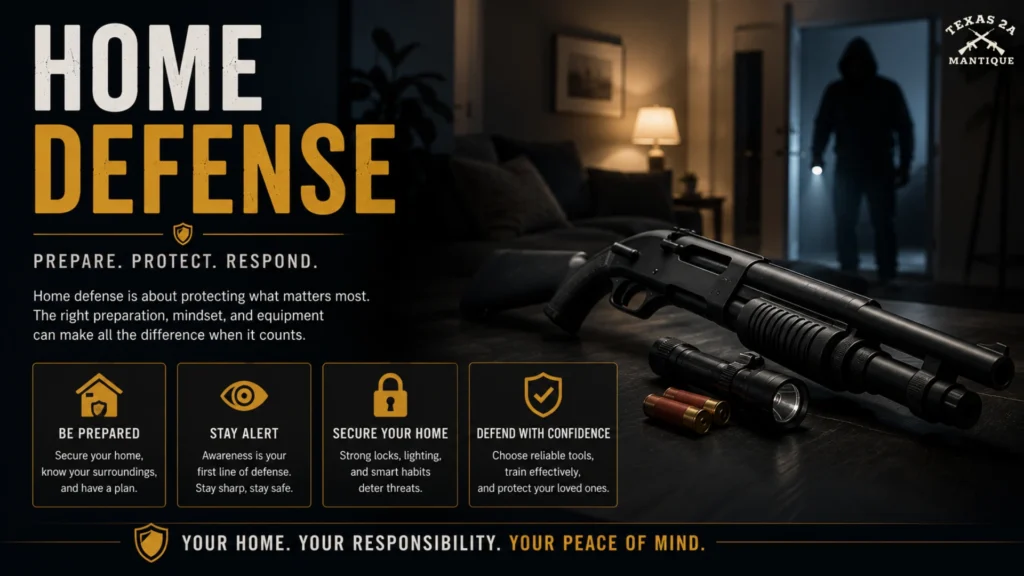
Many people purchase a firearm primarily to help protect themselves and their families inside the home. A home defense firearm should be reliable, easy to operate, and simple to use under stressful conditions. In an emergency, familiarity and confidence are often more valuable than advanced features or unnecessary accessories.
When selecting a firearm for home defense, consider factors such as ease of handling, manageable recoil, reliability, and your ability to safely operate the firearm. Regular practice is essential so you can become comfortable with loading, unloading, aiming, and handling the firearm responsibly.
Safe storage is equally important. A home defense firearm should be secured in a manner that prevents unauthorized access while still allowing quick access for authorized users when legally appropriate.
Many homeowners choose a handgun, shotgun, or modern sporting rifle for home defense because each offers different advantages depending on the home’s layout, the user’s experience, and personal preferences. Understanding how each firearm category performs in a defensive situation can help you make a more informed decision.
Important considerations include:
- Ease of operation
- Reliability under stress
- Comfortable grip and handling
- Appropriate size for indoor use
- Secure storage solutions
- Ongoing safety training and practice
Personal Protection & Concealed Carry
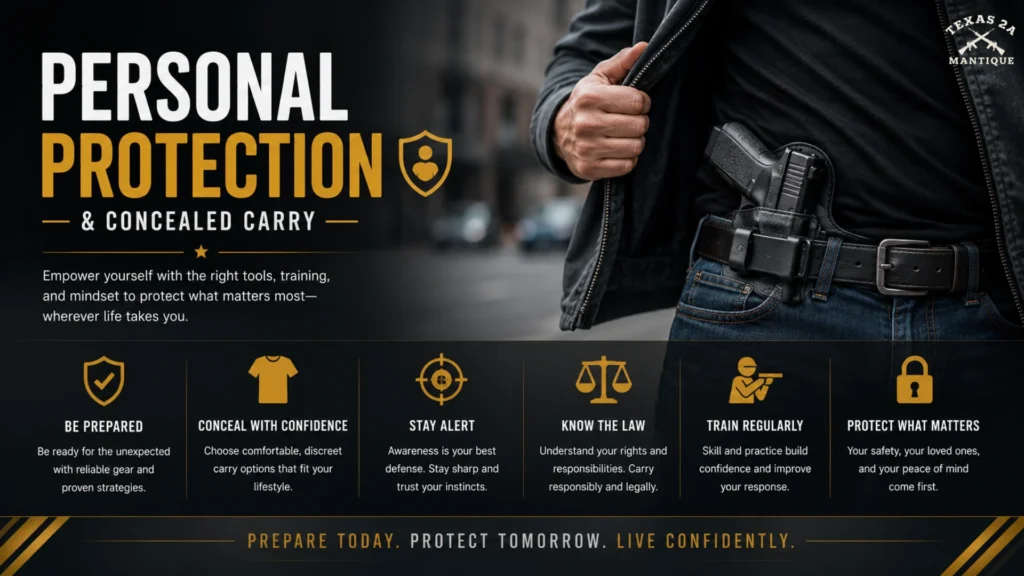
Some firearm owners choose to legally carry a firearm for personal protection. In these situations, comfort, concealability, and reliability become important considerations because the firearm may be carried for extended periods throughout the day.
A concealed carry firearm should fit comfortably in your hand while also being practical to carry. The best choice is often one that you can consistently train with rather than simply choosing the smallest or most powerful option available.
Legal concealed carry also comes with additional responsibilities. Owners should understand local laws, licensing requirements where applicable, safe carry practices, and proper firearm retention techniques.
For everyday personal protection, many individuals consider compact handguns, subcompact pistols, or revolvers due to their balance of concealability, comfort, and ease of carry. The right choice depends on your lifestyle, training, and legal requirements.
When evaluating a concealed carry firearm, consider:
- Overall size and weight
- Ease of concealment
- Comfortable grip
- Reliable operation
- Ease of drawing safely
- Availability of training and accessories
Hunting
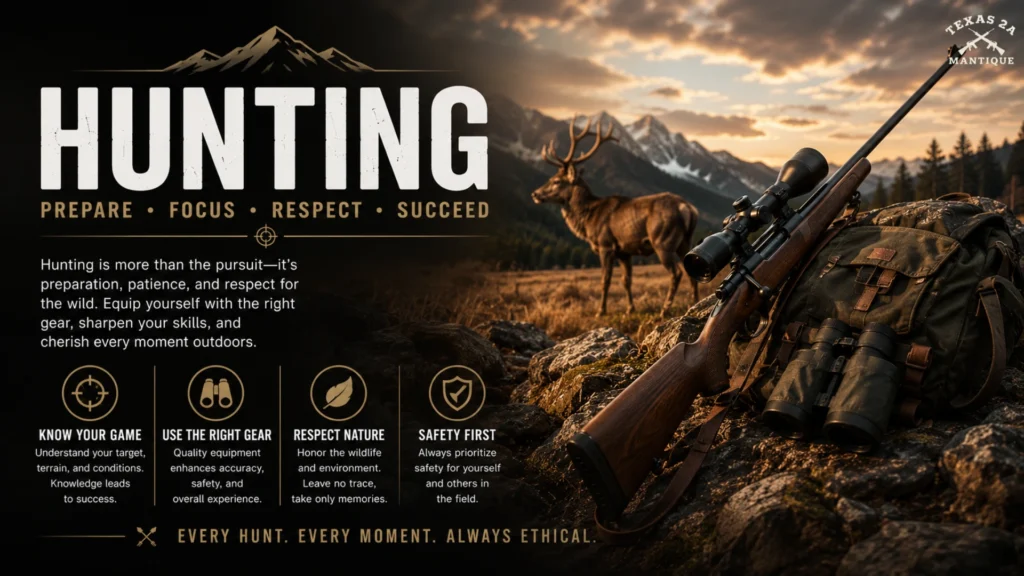
Hunters require firearms that match the game they intend to pursue. Different animals, environments, and hunting methods require different firearm types, calibers, and configurations.
Using the correct firearm supports ethical harvesting by promoting accurate shot placement and humane hunting practices. It also helps hunters comply with state hunting regulations regarding approved firearm types and calibers.
Hunters commonly use bolt-action rifles, lever-action rifles, semi-automatic rifles, or shotguns, depending on the type of game and hunting environment. Choosing the appropriate firearm category helps ensure ethical, safe, and effective hunting.
When selecting a hunting firearm, think about:
- Type of game being hunted
- Hunting distance
- Terrain and environment
- Local hunting regulations
- Accuracy requirements
- Firearm weight for extended carrying
Proper preparation, practice, and knowledge of wildlife regulations are just as important as choosing the right firearm.
Target Shooting & Recreational Shooting
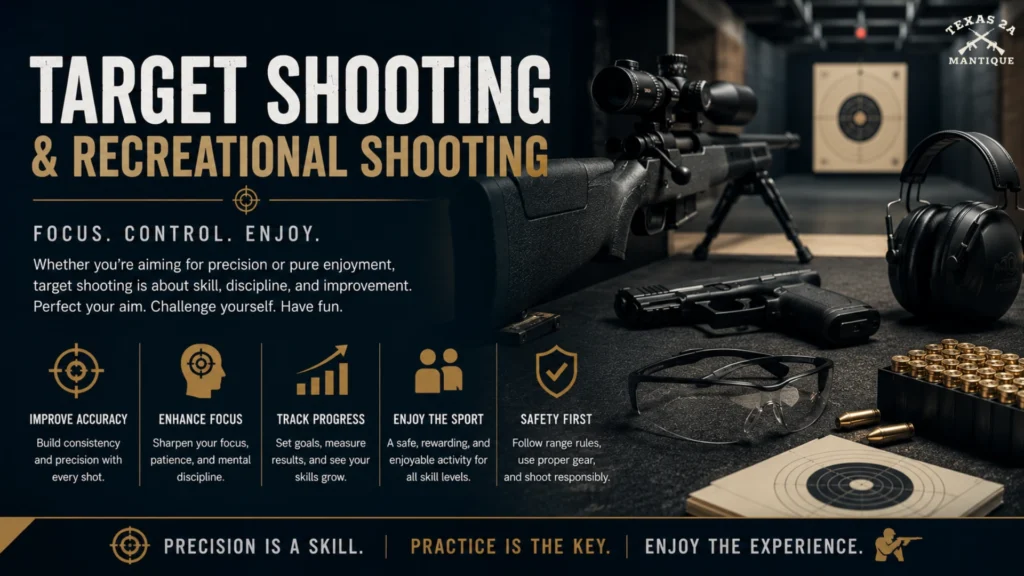
Recreational shooting is one of the most popular ways people develop firearm skills. Whether shooting at paper targets or enjoying time at the range with family and friends, recreational shooting allows owners to build confidence while practicing safe firearm handling.
For recreational shooting, many enthusiasts prefer rimfire rifles, handguns, or pistol-caliber carbines (PCCs) because they offer an enjoyable shooting experience while helping develop accuracy and firearm handling skills.
For recreational use, many shooters prioritize:
- Comfortable ergonomics
- Low recoil
- Good accuracy
- Affordable ammunition
- Ease of maintenance
- Reliable performance
Beginners often benefit from firearms with lighter recoil because they allow new shooters to focus on proper shooting fundamentals without developing poor habits caused by excessive recoil or discomfort.
Regular practice improves:
- Trigger control
- Sight alignment
- Shooting accuracy
- Safe firearm handling
- Confidence
- Overall firearm proficiency
Competition Shooting
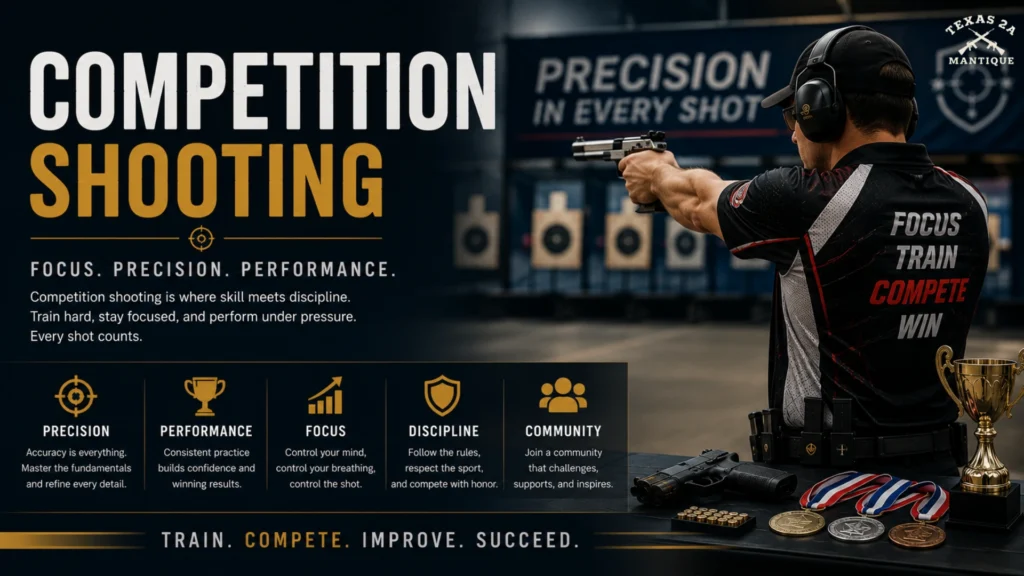
Competitive shooting is a rapidly growing sport that emphasizes speed, precision, consistency, and firearm control. Different shooting disciplines have unique equipment requirements, making firearm selection highly dependent on the specific competition format.
Competitive shooters often choose competition handguns, AR-platform rifles, PCCs, or competition shotguns based on the specific shooting discipline. Each firearm category is designed to deliver the speed, accuracy, and reliability required for competitive performance.
Experienced competitors often look for firearms that provide:
- Exceptional accuracy
- Consistent performance
- Smooth trigger operation
- Comfortable ergonomics
- Quick target transitions
- Excellent reliability during high-volume shooting
Because competitive shooters spend significant time practicing, firearm durability and maintenance are also important considerations.
Collecting Historical & Antique Firearms
Some firearm owners are passionate collectors rather than active shooters. Historical firearms, military surplus firearms, antique firearms, and collectible models provide an opportunity to preserve important pieces of history.
Collectors are often interested in antique firearms, military surplus rifles, black powder firearms, and historically significant handguns because of their craftsmanship, history, and collectible value. These firearms are typically appreciated for preservation rather than everyday use.
Collectors often focus on:
- Historical significance
- Original condition
- Authenticity
- Manufacturer markings
- Rarity
- Provenance and documentation
Match the Firearm to Your Experience Level
Your level of experience should always influence your purchasing decision.
First-Time Buyers
New firearm owners generally benefit from choosing a firearm that is:
- Easy to operate
- Comfortable to handle
- Simple to maintain
- Supported by widely available training resources
- Suitable for frequent practice
Building confidence gradually is far more valuable than immediately purchasing a complex or highly specialized firearm.
Experienced Shooters
Experienced owners often have more specific preferences based on years of shooting, competition, hunting, or collecting. They may prioritize advanced features, specialized configurations, or firearms designed for particular activities.
Regardless of experience level, every firearm owner benefits from continued education, regular training, and consistent practice.
Questions to Ask Before Buying
Before making your purchase, ask yourself these important questions:
- Why do I want to own a firearm?
- What will I primarily use it for?
- How often will I realistically practice?
- Does the firearm feel comfortable in my hands?
- Can I safely operate all of its controls?
- Am I prepared to complete professional firearms training?
- Do I understand safe storage requirements?
- Have I researched the applicable laws in my area?
Make an Informed Decision
Choosing a firearm based on your purpose is one of the most important steps toward responsible firearm ownership. The right firearm is not necessarily the most expensive, the most popular, or the one someone else recommends – it is the one that best matches your intended use, experience level, comfort, and commitment to safe handling.
At Texas 2A Mantique, we encourage every firearm owner to begin with education, prioritize safety, and seek professional training before making a purchase. By understanding your goals and selecting a firearm that aligns with your specific needs, you’ll build confidence, improve your skills, and enjoy a safer, more rewarding firearm ownership experience for years to come.

Leave a Reply